What Dorridge & Solihull Homeowners Need to Know Before Installing an EV Charger
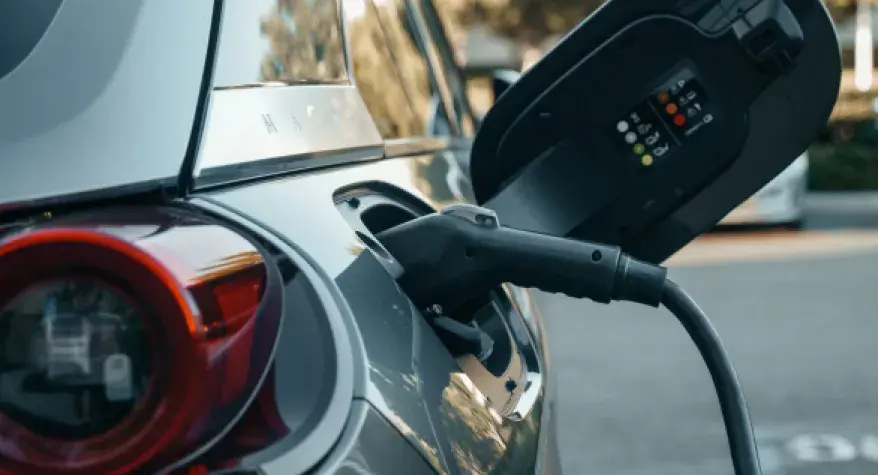
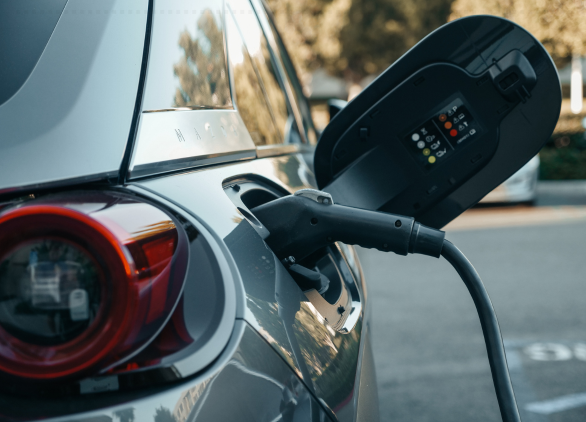
EV Car Charging in Dorridge & Solihull
Electric cars are becoming increasingly popular across the UK — and with the push towards a greener future, more homeowners are choosing to make the switch.
If you’re thinking about buying an electric vehicle (EV), or you already own one, it’s important to understand how EV charging works at home, what type of charger you need, and whether your electrical installation is suitable.
At JS Morris Electrical Ltd, we install safe, compliant EV chargers for homeowners across Dorridge, Solihull, and the surrounding areas.
What Is an Electric Vehicle (EV)?
Electric vehicles are powered by electricity stored in batteries, rather than petrol or diesel. Over recent years, they’ve become a popular choice for homeowners looking to reduce running costs and lower their environmental impact.
Benefits of owning an electric car include:
- Lower running costs – EVs typically cost far less per mile to run than petrol or diesel vehicles
- Reduced emissions – making them a more environmentally friendly option
- Improved efficiency – more miles from each charge
- Quieter, smoother driving experience
For many homeowners, especially those with driveways or garages, owning an EV is both practical and cost-effective.
How Do You Charge an Electric Car at Home?
Charging an EV is straightforward, but it’s not quite as simple as plugging into a standard household socket.
While adapters are available to allow charging from a normal 3-pin socket, this method:
- Takes a very long time
- Is not recommended for regular use
The Best Option: A Dedicated EV Charger
The safest and most efficient way to charge your EV is with a dedicated home charging point.
There are two main types of chargers:
- Level 1 (slow chargers) – typically use a standard socket and charge very slowly
- Level 2 (fast chargers) – the most common choice for homes, offering much faster charging times
Most home EV chargers are Level 2, allowing many vehicles to fully charge in 4–6 hours, depending on battery size.
Once installed, charging is simple — plug in when you get home and wake up to a fully charged car.
What Needs to Be Checked Before Installing an EV Charger?
Before an EV charger can be installed, several important checks must be carried out to ensure your home is safe and suitable.
1. Your Electrical Supply & Consumer Unit
Your existing electrical installation must be able to handle the additional load of an EV charger. This includes checking:
- The condition of your consumer unit
- Available capacity
- Overall safety of your installation
In some cases, upgrades may be required before a charger can be fitted.
2. Compliance With Regulations
EV chargers must be installed in line with current electrical regulations and local requirements. This ensures:
- Safe operation
- Insurance compliance
- Long-term reliability
3. Charger Location
The charger location needs to be practical and safe, considering:
- Ease of access
- Cable routing
- Weather exposure
- Proximity to your vehicle
A qualified electrician will help you choose the best location for convenience and durability.
Why Professional Installation Matters
EV chargers draw a significant electrical load and must be installed correctly. Incorrect installation can lead to:
- Overheating
- Nuisance tripping
- Damage to your electrical system
- Safety risks
That’s why EV chargers should always be installed by a qualified, NICEIC registered electrician.
EV Charger Installation in Dorridge & Solihull
At JS Morris Electrical Ltd, we offer:
- Pre-installation electrical checks
- Honest advice on charger options
- Safe, compliant EV charger installation
- NICEIC certification for complete peace of mind
Whether you’re planning ahead or already own an electric vehicle, we’re here to help you charge safely and efficiently at home.
📞 Call James on 01564 638024 to discuss EV charger installation or to arrange a home assessment.
Local, friendly, NICEIC registered electricians serving Dorridge & Solihull